
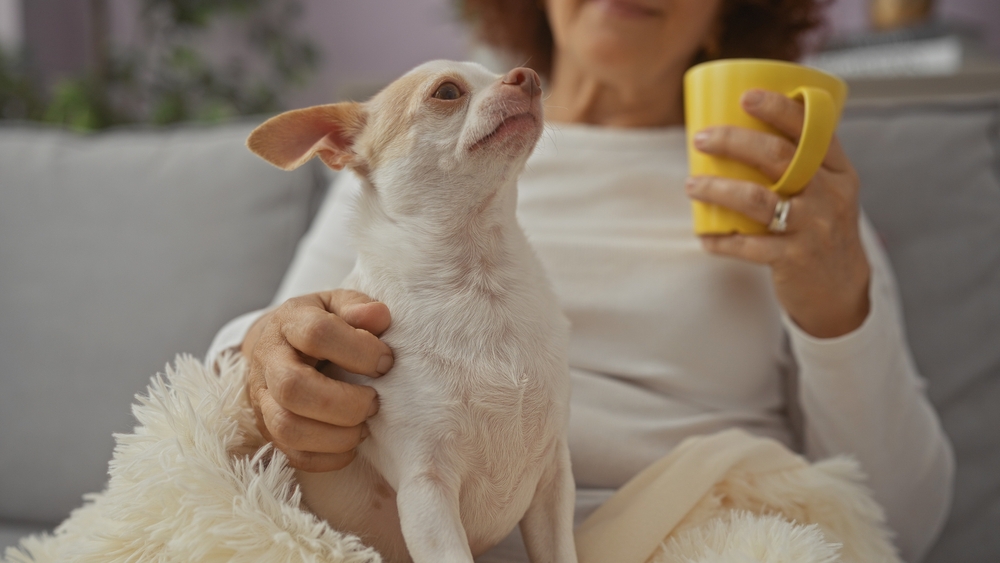
As temperatures drop and icy winds settle in, many dogs begin to move a little more slowly. Stiffness after resting, reluctance to go outside, difficulty with stairs, or decreased enthusiasm for walks are common complaints among pet owners during the winter months. And common signs of winter joint pain in dogs. For those with arthritis, prior injuries, or orthopedic conditions, cold weather can significantly worsen discomfort.
The good news is that winter doesn’t have to mean months of pain or inactivity. Canine physical rehabilitation offers safe, effective ways to reduce joint pain, improve mobility, and help dogs remain active and comfortable throughout the year.
Why Winter Makes Joint Pain Worse
Cold weather affects joints in several ways:
- Reduced circulation can increase stiffness
- Barometric pressure changes may aggravate inflamed tissues
- Cold muscles tighten, limiting the range of motion
- Lower activity levels lead to deconditioning
- Icy or slippery surfaces make movement more cautious and awkward
Dogs often compensate by moving less, which unfortunately creates a cycle: less movement leads to weaker muscles and stiffer joints, which leads to even less activity.
How Physical Rehabilitation Helps
Physical rehabilitation focuses on restoring strength, flexibility, balance, and comfort. For dogs with winter joint pain, therapy addresses both the symptoms and the underlying contributors to mobility problems.
Pain Reduction Without Overmedication
Rehabilitation uses techniques that relieve discomfort while minimizing reliance on medications alone. Many dogs experience meaningful pain relief through targeted therapies that support natural healing and joint function.
Improved Mobility and Flexibility
Gentle stretching, range-of-motion exercises, and guided movement help joints stay lubricated and functional. Maintaining flexibility reduces stiffness and makes everyday movements—like getting up or climbing stairs—much easier.
Strengthening Support Muscles
Strong muscles act as shock absorbers for joints. Rehabilitation builds the muscles that stabilize hips, knees, shoulders, and the spine, helping dogs move more comfortably and safely.
Better Balance and Confidence
Winter surfaces can be unpredictable. Therapy often includes balance and proprioception exercises that improve coordination and reduce fall risk, especially for senior dogs.
Common Rehabilitation Therapies for Winter Joint Pain
A personalized rehabilitation plan may include one or more of the following:
💧 Underwater Treadmill Therapy (Hydrotherapy)
Warm water supports body weight while allowing safe movement. This reduces stress on painful joints while improving strength and endurance. The warmth also promotes circulation and muscle relaxation.
🔥 Therapeutic Modalities (Rehab Services)
Heat therapy, laser therapy, electrical stimulation, and other modalities can reduce inflammation, relieve pain, and accelerate tissue healing.
🧘 Manual Therapy and Stretching (Therapeutic Massage)
Hands-on techniques performed by trained professionals can relieve muscle tension, improve joint motion, and enhance overall comfort.
🏋️ Controlled Exercise Programs (Therapeutic Exercises)
Structured exercises help maintain strength and mobility without overexertion. These plans are carefully tailored to each dog’s condition, age, and fitness level.
Why Staying Active Matters — Even in Winter
Many pet owners understandably reduce activity when it’s cold outside. However, inactivity is one of the biggest contributors to worsening joint pain.
Regular, appropriate movement:
- Maintains muscle strength
- Keeps joints lubricated
- Supports healthy weight
- Improves circulation
- Boosts mood and energy
Rehabilitation professionals can design safe winter activity plans that protect joints while preventing deconditioning.
Dogs Who Benefit Most from Winter Rehabilitation
While any dog with discomfort can benefit, rehabilitation is especially helpful for:
- Senior dogs with arthritis
- Dogs recovering from orthopedic surgery (such as TPLO)
- Dogs with hip or elbow dysplasia
- Pets with prior injuries
- Overweight dogs
- Working or athletic dogs during the off-season
Early intervention often leads to better long-term outcomes.
Supporting Your Dog at Home
In addition to professional therapy, small changes at home can make a big difference:
- Provide warm, supportive bedding
- Use rugs or traction mats on slippery floors
- Keep nails trimmed for better grip
- Maintain a healthy weight
- Warm up gently before outdoor activity
- Dry paws and legs after exposure to snow or ice
Your rehabilitation team can offer customized guidance based on your dog’s needs.
A More Comfortable Winter Starts Here
Winter joint pain in dogs is common—but it is not something dogs simply have to endure. With the right rehabilitation plan, many dogs regain comfort, mobility, and quality of life even during the coldest months.
At the Animal Rehabilitation Center of Michigan, our team specializes in helping dogs move better, feel better, and stay active year-round. If your dog seems stiff, sore, or less willing to move this winter, we’re here to help. We also offer additional modalities such as cold laser therapy, chiropractic care, and acupuncture that allow us to take a whole health approach to helping your pet.
📞 Call us to learn how canine physical rehabilitation can support your dog’s comfort and mobility this season.