by Animal Rehab Center of Michigan | Oct 30, 2026 | Blog
When arthritis makes movement painful, dogs naturally become less active. They may shorten their walks, hesitate before climbing stairs, stop jumping onto the couch, or rest more. Moving less may protect a painful joint in the moment, but over time, inactivity creates...
by Animal Rehab Center of Michigan | Sep 28, 2026 | Blog
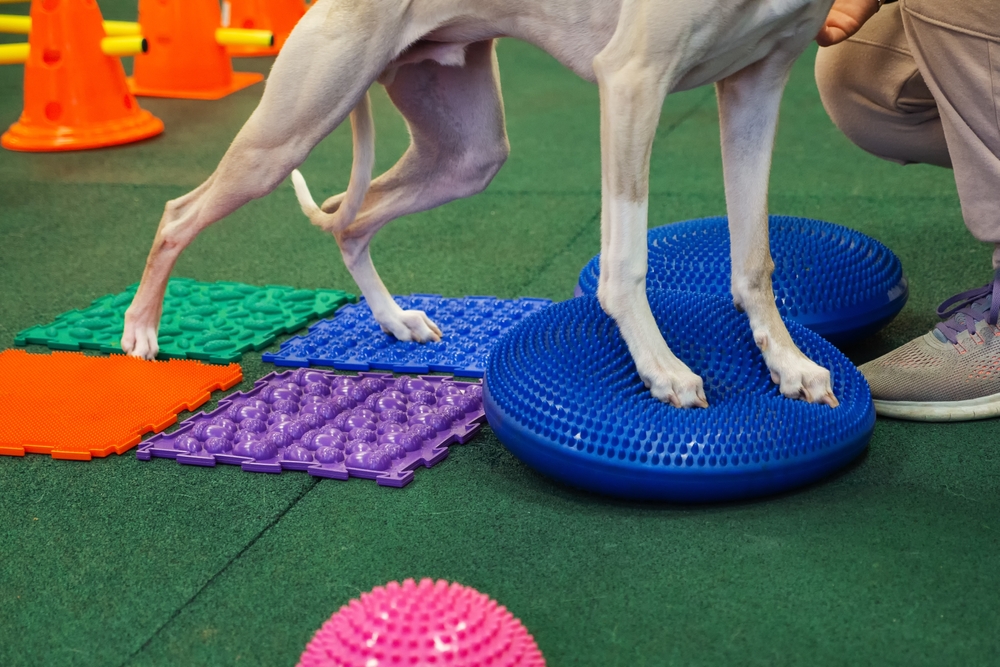
When a dog has a torn cranial cruciate ligament, or CCL, surgery may be an important step toward getting them comfortably back on their feet. But repairing the unstable knee is only one part of the recovery journey. Your dog must also rebuild strength, regain...
by Animal Rehab Center of Michigan | Aug 24, 2026 | Blog
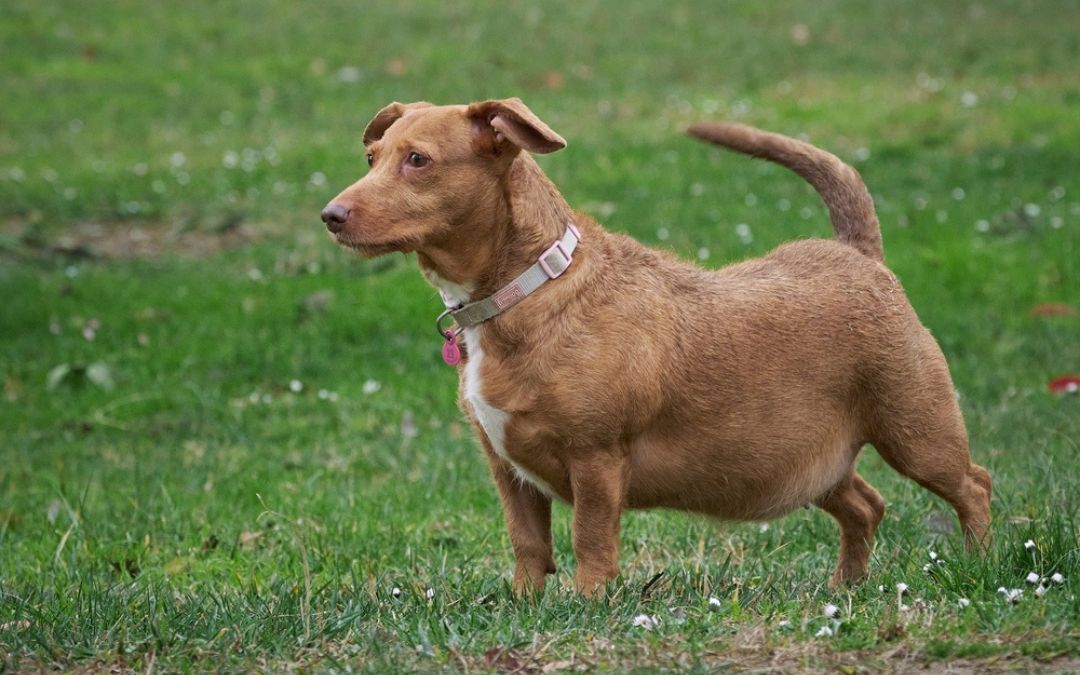
A few extra pounds may not seem like much, but for a dog’s joints, even a small amount of excess weight can make a big difference. Extra weight increases stress on the hips, knees, elbows, spine, and paws. Over time, that added strain can contribute to pain,...
by Animal Rehab Center of Michigan | Jul 17, 2026 | Blog
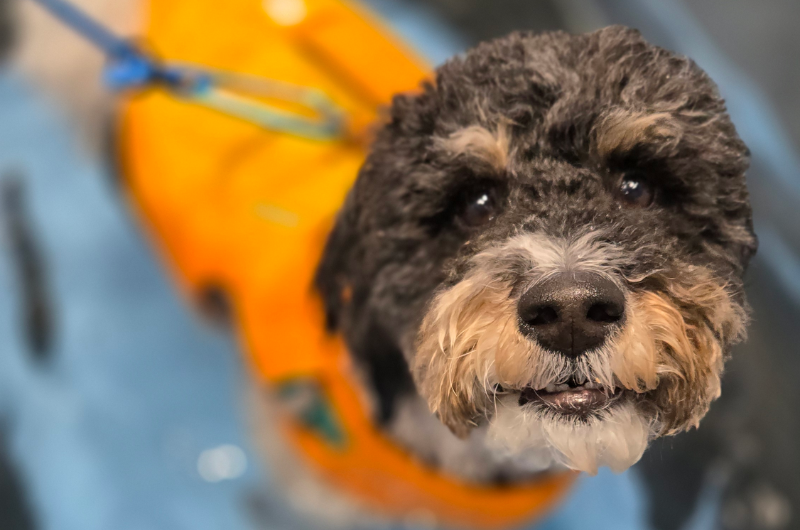
Many people think of canine rehabilitation after an injury, surgery, or mobility problem. Rehabilitation is extremely important in those situations, but it is not the only reason a dog may benefit from therapeutic exercise. Dogs also need conditioning. Canine...

by Animal Rehab Center of Michigan | Jun 16, 2026 | Blog
When a dog has arthritis, a ligament injury, hip dysplasia, or is recovering from orthopedic surgery, movement can become difficult. They may limp, struggle to rise, avoid stairs, tire quickly, or stop enjoying activities they once loved. The challenge is that dogs...
by Animal Rehab Center of Michigan | May 19, 2026 | Blog
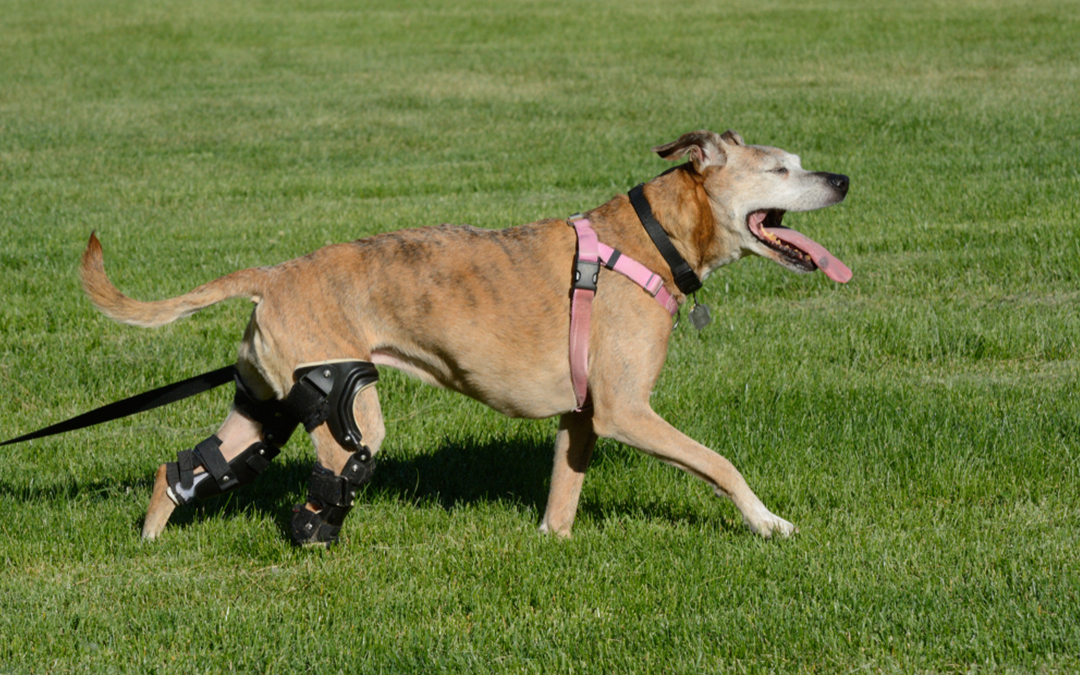
When dogs experience orthopedic injuries, joint instability, neurological conditions, or post-surgical recovery challenges, many pet owners are looking for ways to help improve comfort, mobility, and long-term function. Dog bracing and rehabilitation are two tools...