
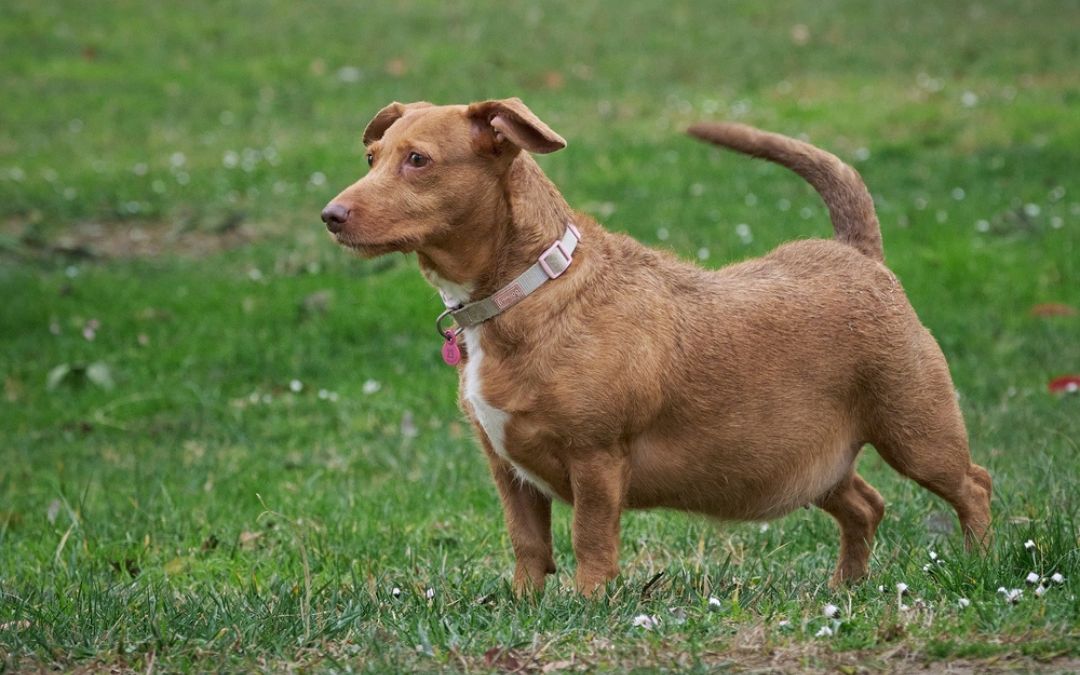
A few extra pounds may not seem like much, but for a dog’s joints, even a small amount of excess weight can make a big difference. Extra weight increases stress on the hips, knees, elbows, spine, and paws. Over time, that added strain can contribute to pain, stiffness, arthritis progression, reduced activity, and a lower quality of life.
At Animal Rehabilitation Center of Michigan, we often work with dogs who are recovering from orthopedic injuries, managing arthritis, rebuilding strength after surgery, or struggling with mobility changes. Weight management for dogs is an important part of supporting joint health because it can help reduce discomfort, improve movement, and make rehabilitation more effective.
Why Extra Weight Is Hard on a Dog’s Joints
A dog’s joints are designed to support movement, absorb impact, and allow comfortable activity. When a dog is overweight, the joints must carry extra load with every step, jump, turn, and climb.
This added stress can affect:
- Knees
- Hips
- Elbows
- Shoulders
- Spine
- Paws and ankles
For dogs with arthritis or a previous orthopedic injury, excess weight can make an already painful condition worse. A dog with hip dysplasia, a cranial cruciate ligament injury, patellar luxation, elbow disease, or spinal discomfort may have more trouble moving comfortably when carrying extra weight.
Over time, this can create a cycle: the dog hurts more, moves less, gains more weight, loses muscle, and becomes even less comfortable.
Weight and Arthritis in Dogs
Arthritis is one of the most common causes of chronic pain and stiffness in dogs. It can affect senior dogs, but it can also develop in younger dogs after injury, joint disease, surgery, or developmental orthopedic conditions.
Excess weight can worsen arthritis in two important ways. First, it adds mechanical stress to already painful joints. Second, fat tissue is biologically active and can contribute to inflammation in the body. That means weight management is not just about appearance or numbers on a scale. It can be a meaningful part of arthritis care.
For many dogs, gradual weight loss may help improve comfort, stamina, and willingness to move. Even modest progress can make daily activities easier.
How Weight Affects Mobility
Dogs do not always show pain in obvious ways. An overweight dog with joint discomfort may not cry, whine, or limp dramatically. Instead, pet parents may notice subtle changes.
Signs your dog’s weight or joint discomfort may be affecting mobility include:
- Slower walks
- Difficulty rising after rest
- Hesitation on stairs
- Reluctance to jump onto furniture or into the car
- Limping or stiffness
- Slipping on smooth floors
- Less interest in play
- Panting or tiring quickly
- Trouble squatting or posturing
- Sleeping more
- Irritability when touched or handled
- Needing more help with daily activities
These signs are worth discussing with your veterinarian. Many dogs can feel and move better with the right combination of medical care, weight management, pain control, rehabilitation, and home adjustments.
Weight Management Can Support Injury Recovery
Weight management is also important for dogs recovering from orthopedic injuries or surgery. Dogs recovering from procedures such as CCL injury or surgery, FHO, total hip replacement, fracture repair, or other orthopedic procedures often need controlled activity while healing.
If a dog is overweight, recovery may be more challenging because the healing tissues and joints are under added stress. Extra weight may also make it harder for the dog to regain strength, balance, and normal movement patterns.
A safe weight-management plan can support recovery by helping reduce unnecessary joint strain, improving stamina, and making rehabilitation exercises easier to perform.
Why “Just Exercise More” Is Not Always the Answer
When a dog is overweight, it may seem logical to simply increase exercise. But for dogs with arthritis, pain, injury, weakness, or poor conditioning, too much activity too quickly can lead to soreness or setbacks.
Weight management for dogs usually requires a combination of:
- Veterinary guidance and nutrition
- Appropriate calories
- Measured meals
- Healthy treat choices
- Safe activity
- Strength-building exercises
- Pain management when needed
- Regular weigh-ins
- Family consistency
Exercise matters, but it needs to be the right kind of exercise. A dog with sore joints may not be ready for long walks, running, jumping, or intense play. Low-impact activity is often a better starting point.
Low-Impact Exercise for Overweight Dogs
Low-impact movement can help dogs burn calories, maintain muscle, improve circulation, and stay mentally engaged without placing excessive stress on painful joints.
Depending on the dog’s condition, helpful low-impact activities may include:
- Short, frequent leash walks
- Slow sniff walks
- Gentle hill walking, if appropriate
- Controlled sit-to-stand exercises
- Balance and body-awareness exercises
- Walking on safe, non-slip surfaces
- Swimming, when appropriate
- Underwater treadmill therapy
- Therapeutic exercises guided by a rehabilitation team
The best activity plan depends on your dog’s age, weight, fitness level, diagnosis, pain level, and mobility goals.
How Rehabilitation Helps Dogs With Weight and Joint Challenges
Rehabilitation can be especially helpful for dogs who need to lose weight but cannot tolerate traditional exercise. At Animal Rehabilitation Center of Michigan, rehabilitation plans are customized to each dog’s needs and may include therapies designed to improve comfort, strength, balance, flexibility, and mobility.
Rehabilitation may help overweight or mobility-challenged dogs by:
- Building muscle to better support the joints
- Improving range of motion
- Supporting safer movement patterns
- Reducing stiffness
- Improving balance and coordination
- Increasing stamina gradually
- Providing low-impact conditioning
- Helping pet parents understand safe home exercises
For some dogs, the underwater treadmill can be especially useful because buoyancy reduces stress on the joints while still allowing the dog to move and strengthen muscles.
Muscle Matters, Too
Weight management is not only about losing fat. Dogs also need to preserve and build muscle. Strong muscles help support joints, improve stability, and protect mobility.
This is especially important for senior dogs, dogs with arthritis, and dogs recovering from surgery or injury. When dogs are inactive because of pain or excess weight, they may lose muscle. Less muscle can make it harder to stand, walk, climb stairs, or recover after activity.
A good joint-support plan focuses on both sides of the equation: helping the dog reach a healthier weight while also building strength safely.
Nutrition and Veterinary Guidance Are Important
Before starting a weight-loss plan, talk with your veterinarian. Dogs need safe calorie reduction without missing essential nutrients. This is especially important for senior dogs, dogs with medical conditions, and dogs recovering from surgery or injury.
Your veterinarian may recommend:
- A target weight
- A body condition score
- A daily calorie goal
- Measured meals
- Therapeutic weight-management food
- Adjustments to treats and table food
- Screening for medical causes of weight gain
- A safe rate of weight loss
- Regular progress checks
Pet parents should not drastically cut food without guidance. Weight loss should be gradual, safe, and sustainable.
Treats, Table Food, and Hidden Calories
Many dogs gain weight from small daily extras rather than large meals. Treats, dental chews, peanut butter, cheese, leftovers, training rewards, and “just a bite” snacks can add up quickly.
That does not mean treats have to disappear. They simply need to be part of the plan.
Helpful strategies include:
- Measuring daily food portions
- Using part of the dog’s regular meal as training rewards
- Choosing lower-calorie treats
- Breaking treats into tiny pieces
- Limiting high-calorie chews
- Avoiding table scraps
- Making sure everyone in the household follows the same plan
Consistency matters. If one person is measuring meals and another is sharing snacks, progress can be difficult.
Home Changes That Support Joint Health
For dogs carrying extra weight or managing joint pain, small home changes can improve safety and comfort.
Helpful adjustments may include:
- Non-slip rugs or runners
- Ramps or steps for furniture or vehicles
- Support harnesses
- Raised food and water bowls, when appropriate
- Orthopedic bedding
- Keeping nails trimmed
- Blocking unsafe stairs
- Avoiding slippery floors
- Providing shorter, more frequent walks
- Maintaining a predictable routine
These changes do not replace veterinary care, but they can make daily life easier for dogs with mobility challenges.
When to Seek Help
Schedule a veterinary or rehabilitation evaluation if your dog:
- Is overweight and struggling to move comfortably
- Has arthritis or chronic stiffness
- Is limping
- Has difficulty rising
- Slips or falls frequently
- Avoids stairs or jumping
- Tires quickly on walks
- Is recovering from orthopedic surgery
- Has had a CCL injury, hip surgery, fracture, or other orthopedic condition
- Seems painful after activity
- Is gaining weight despite diet changes
Early support can help prevent a mild mobility issue from becoming a larger quality-of-life concern.
Helping Dogs Move Better and Feel Better
Weight management can be one of the most powerful ways to support joint health in dogs. A healthier weight can reduce stress on painful joints, support better movement, improve stamina, and make daily life more comfortable.
At Animal Rehabilitation Center of Michigan, we help dogs build strength, improve mobility, recover from injury, and enjoy a better quality of life. For overweight dogs, senior dogs, arthritic dogs, and dogs recovering from orthopedic conditions, rehabilitation can be an important part of a safe, effective plan.
If your dog is struggling with weight, arthritis, pain, weakness, or mobility changes, contact Animal Rehabilitation Center of Michigan to learn how rehabilitation may help your dog move more comfortably and confidently.
Call Animal Rehabilitation Center of Michigan or request an appointment to discuss your dog’s mobility and joint health needs with our team.